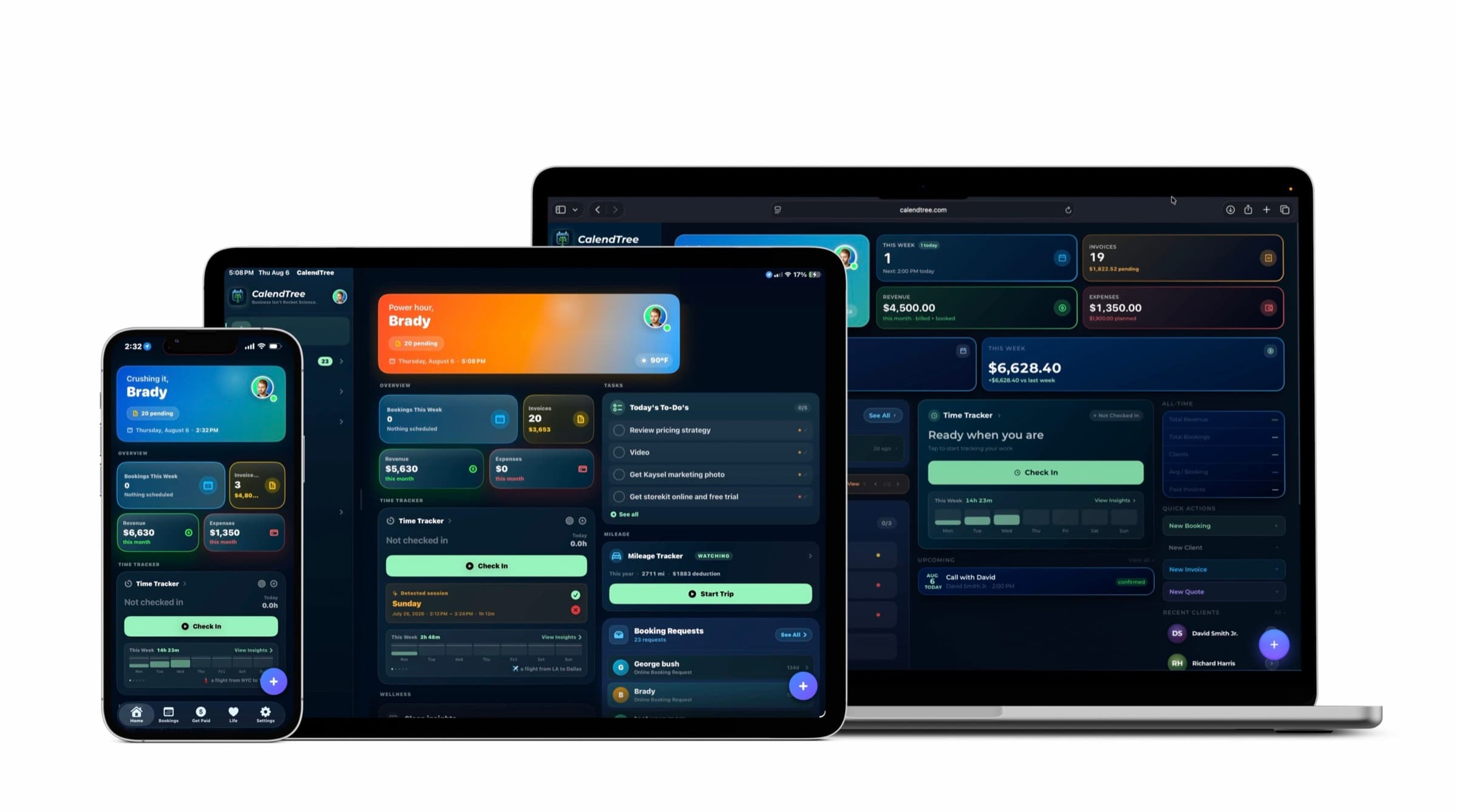
ATLANTA, Ga. — September 9, 2026 — CalendTree today welcomed the first early access users onto its business platform for the self-employed. The first wave was admitted on September 1, 2026, the beginning of a staged rollout the company is running deliberately: users are let in a wave at a time so each group gets the best possible experience rather than the one a crowd would leave them with.
Here's what we've been up to since launch
The month between announcing CalendTree and opening the doors did not go into new features. It went into the layer underneath them — the part that decides whether a booking survives a dead zone, whether two accounts on one phone can ever see each other, and whether the number on an invoice is the number that reaches the bank.
“We've spent the past month hardening security, stability, and reliability of our platform.”
In final stability testing for App Store review
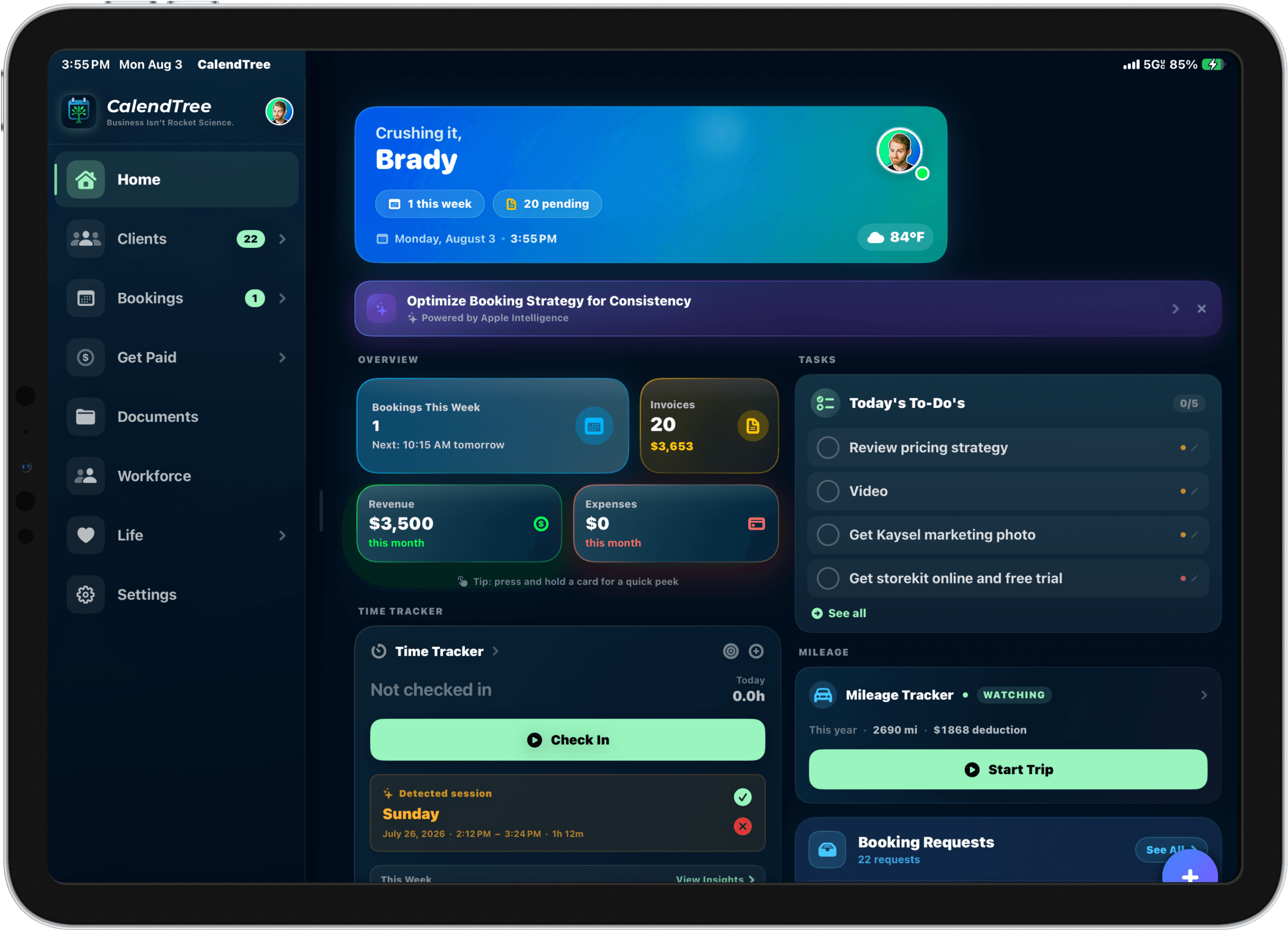
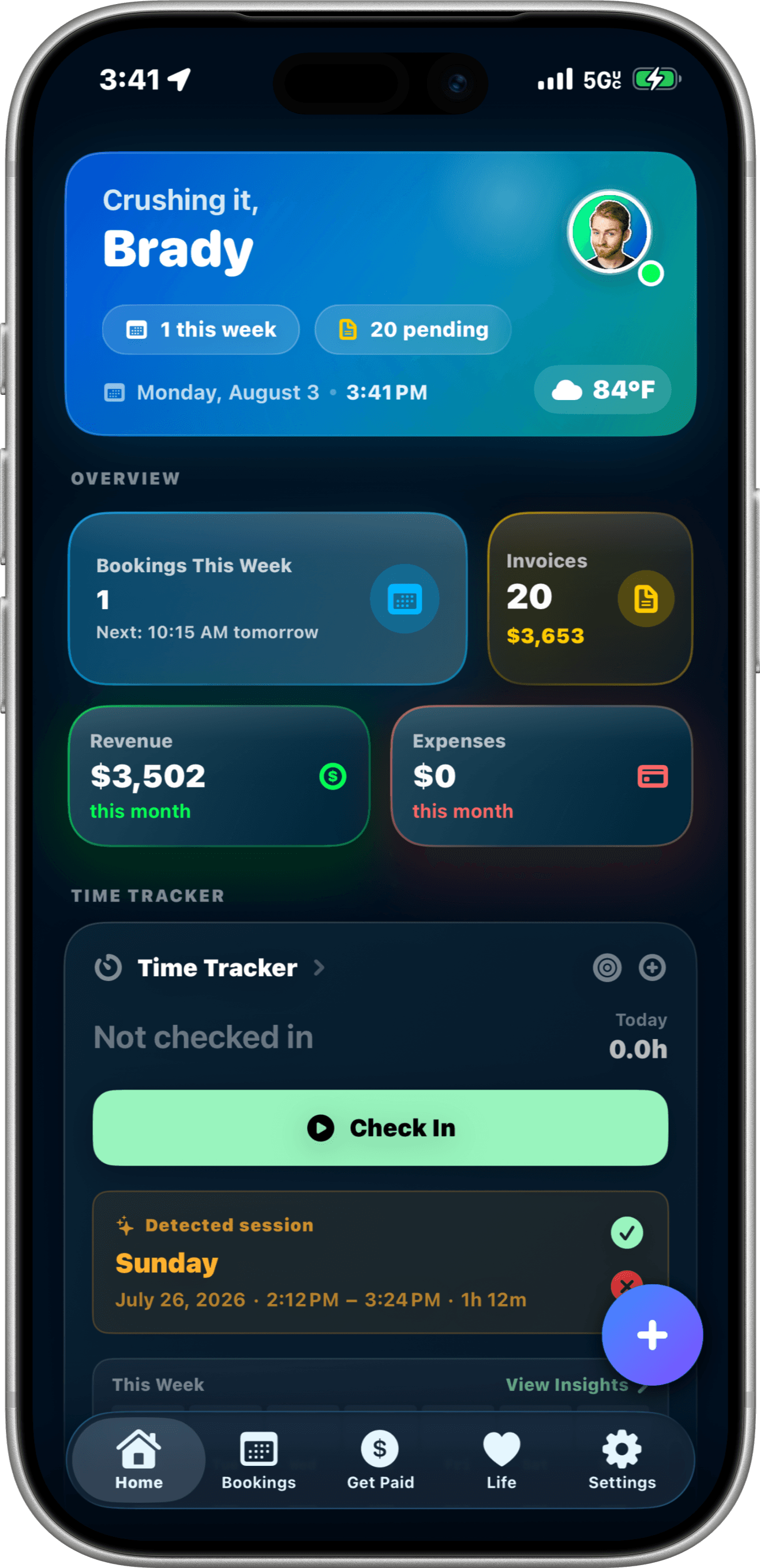
CalendTree is currently in final stability testing ahead of App Store review for iOS and iPadOS. The app is universal: one application that runs on both iPhone and iPad, with a layout built for the larger screen rather than a phone interface stretched across it. The web platform at calendtree.com stays in sync with both.
Why any of this matters
The argument CalendTree launched on has not changed. The gap it is built around was never a missing feature — it is a seam. The person doing the job is also the person doing the scheduling, the quoting, the invoicing, the chasing, and the books, and the tools for each of those live in different apps that do not speak to each other. The client's name gets retyped five times. The quote gets rebuilt as a contract, then rebuilt again as an invoice. Every seam is a place where money and hours leak out.
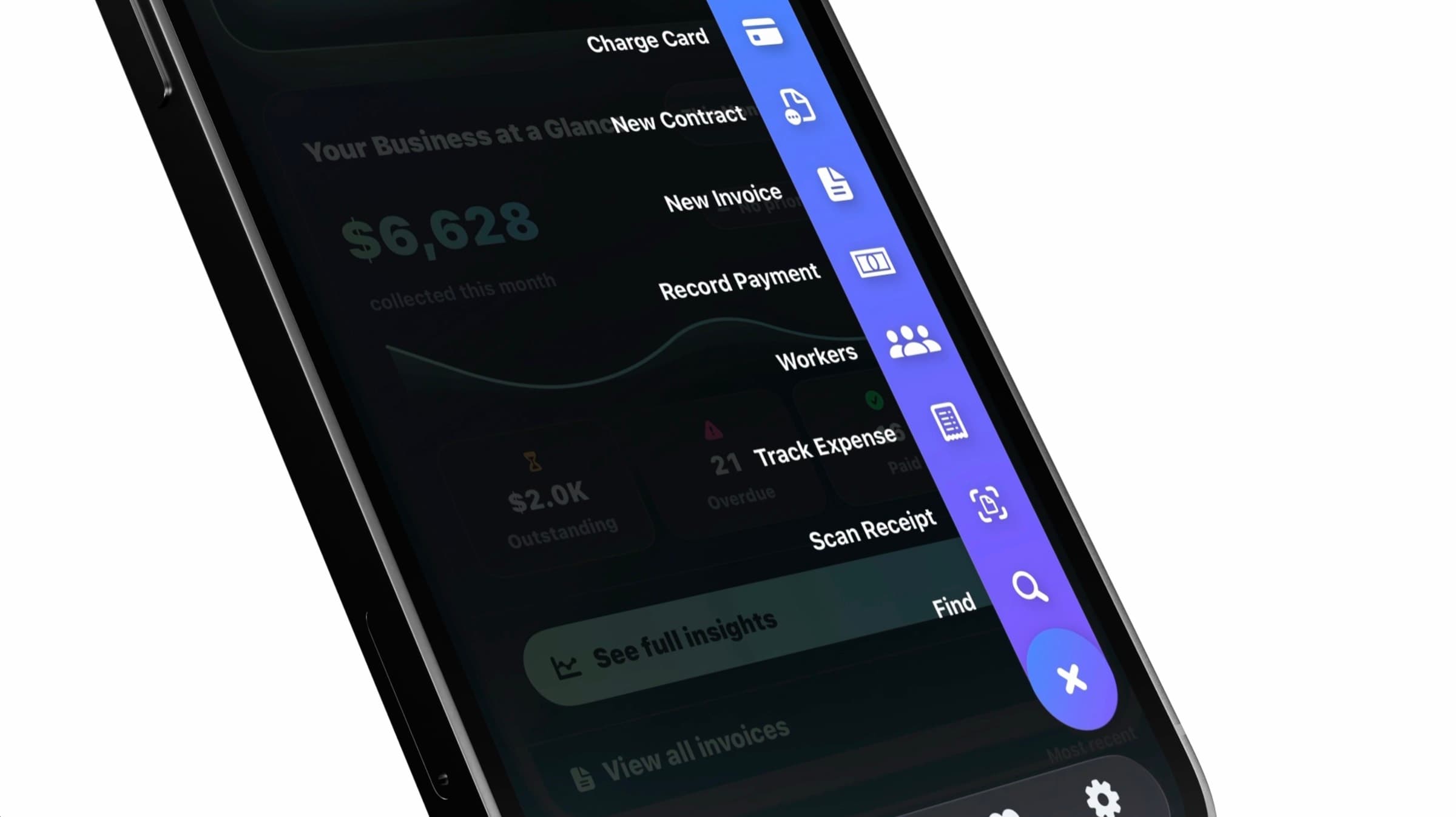
CalendTree closes those seams by following a single job the whole way. A client books through a booking page or scheduling link, and the client record is created on the spot. A quote becomes a contract with a real e-signature, and that contract becomes an invoice carrying the same numbers forward. Payments come in by card, Apple Pay, or a payment link. Expenses, receipts, mileage, and time collect in the background as the work happens, so tax season is a report you run instead of a weekend you lose.
The platform covers more than 300 business types, adapting its terminology, templates, and tools to the trade — a barber's language is not a contractor's language, and the app speaks both. And the business model is the second half of the argument: CalendTree charges for the software and nothing else. Payment processing runs through Square at Square's standard rates, and CalendTree takes no percentage on top. There are no tiers, no per-feature charges, and no upsells.

Availability
The CalendTree web platform is available now at calendtree.com. The iOS and iPadOS app is in final stability testing ahead of App Store review. Early access users are being admitted in waves, beginning September 1, 2026.
CalendTree is in its founding-member period. The first 1,000 members to join lock in $15 per month for as long as their membership stays active and in good standing, with a 30-day free trial and no credit card required to start. Standard Square processing fees apply separately.
###